
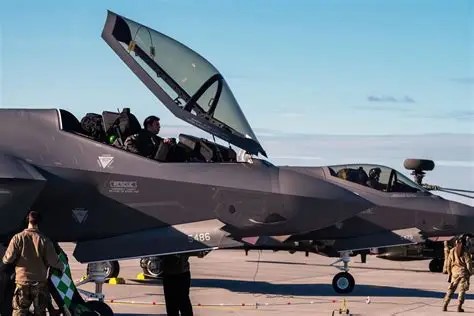
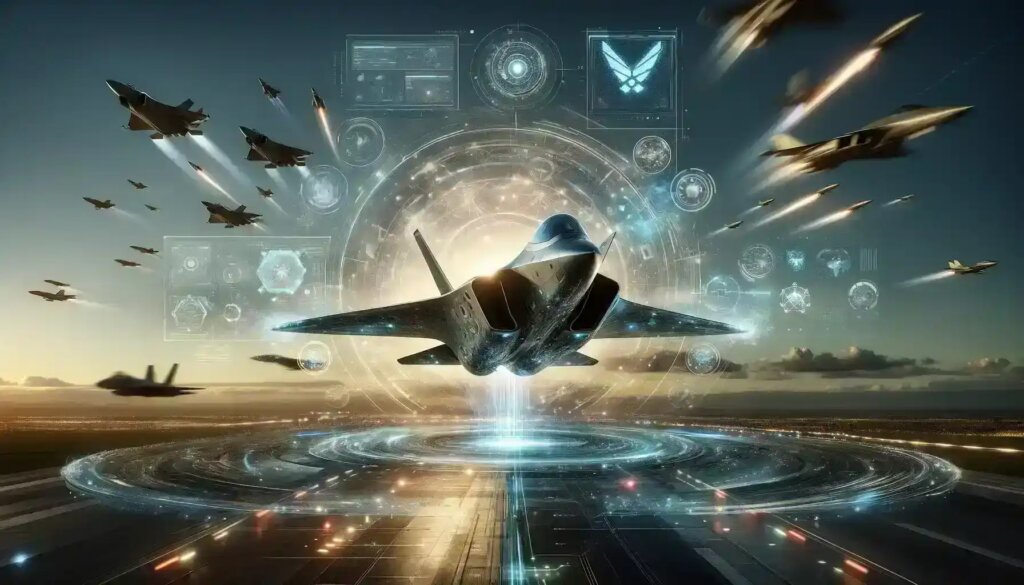
The new Air Force tech is rapidly transforming the way America prepares for future air warfare. For today’s Airmen, modernization means far more than receiving a newer aircraft. The emerging force combines stealth aircraft, autonomous systems, artificial intelligence, advanced sensors, long-range weapons, electronic warfare, and highly connected command-and-control networks.
Current USAF news shows that the service is attempting to move these technologies from development into operational capability faster while maintaining readiness with today’s aircraft and weapons. US Air Force leaders have emphasized the need to balance fighting tonight with building the future force.
F-47 and Sixth-Generation Air Power
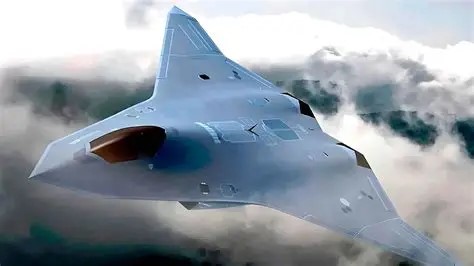
One of the most significant developments is the F-47, the Air Force’s Next Generation Air Dominance platform.
The Department of the Air Force awarded Boeing the Engineering and Manufacturing Development contract for the F-47, describing it as the world’s first sixth-generation fighter aircraft. The program is intended to advance American air superiority through a combination of survivability, advanced sensing, connectivity, and other capabilities.
For Airmen, the F-47 represents a new generation of maintenance, logistics, weapons employment, intelligence, and pilot training requirements.
The aircraft itself is only part of the story. Future air superiority will depend upon how the F-47 communicates and operates with other aircraft, sensors, weapons, and unmanned platforms.
New Air Force Tech in Collaborative Combat Aircraft
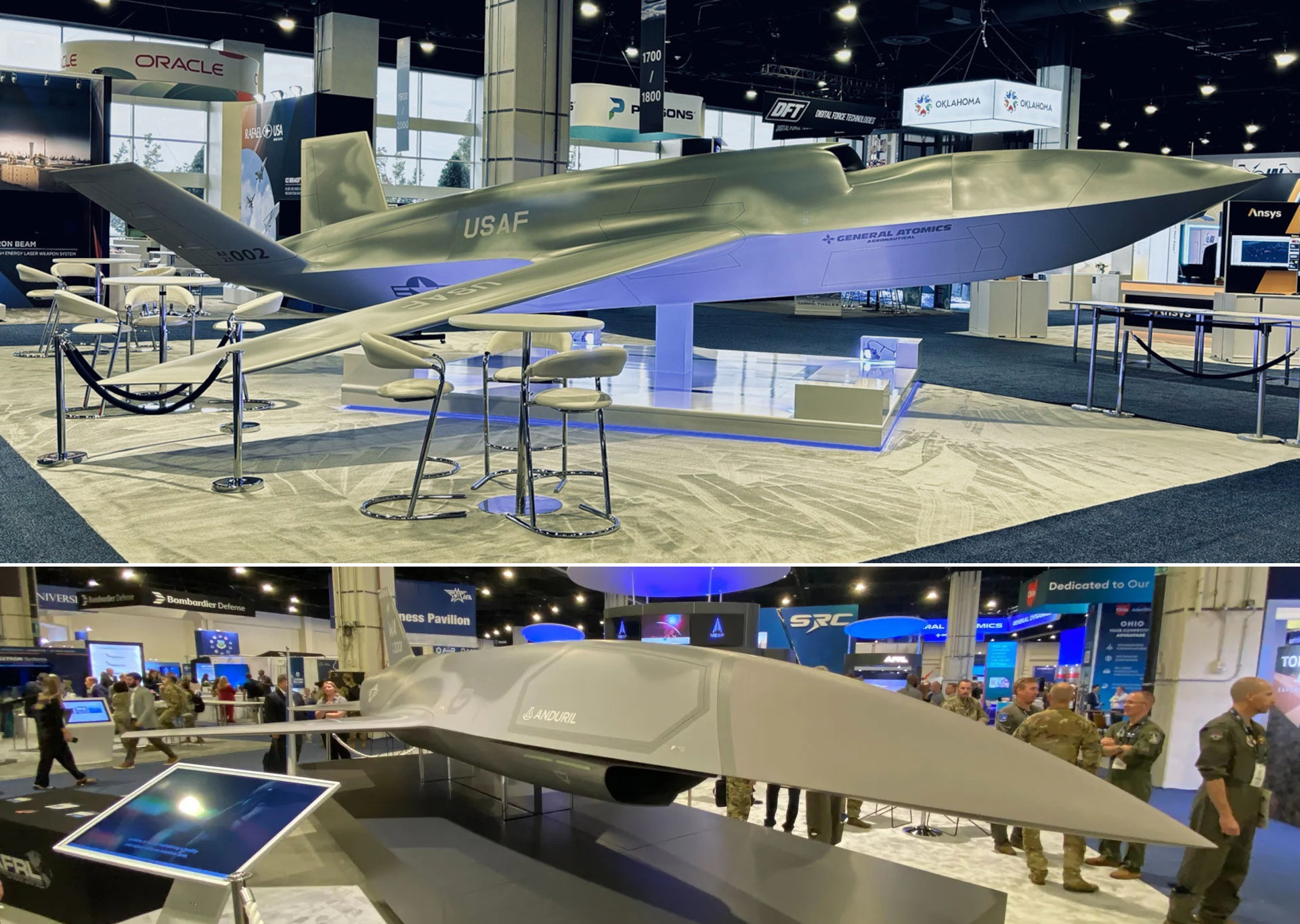
The Air Force is also developing Collaborative Combat Aircraft, or CCA.
These systems are intended to operate alongside crewed aircraft, expanding the number of platforms available to commanders while providing additional sensors, weapons, and mission capabilities.
Air Force leaders have repeatedly identified CCA as a central component of future force design. Rather than thinking only about how many individual fighters are required, planners are increasingly examining how different platforms can work together as a connected combat system.
For Airmen, this could dramatically change the meaning of the word “wingman.”
In the future of new Air Force tech, a pilot may operate alongside autonomous aircraft capable of performing specialized missions while remaining integrated into a larger human-controlled force.
The B-21 Raider
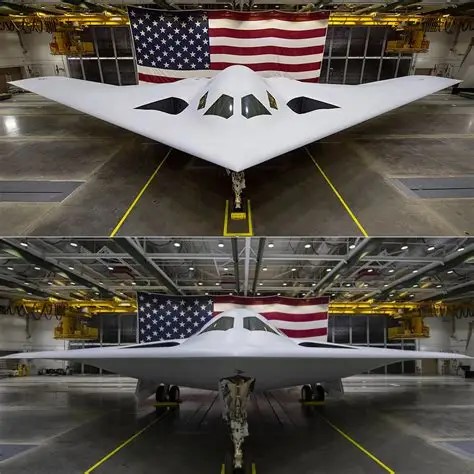
The B-21 Raider is another centerpiece of Air Force modernization.
In June 2026, an operational test pilot flew the B-21 alongside a developmental test pilot at Edwards Air Force Base. The Air Force described the milestone as an important change in the test process because operational evaluation is being integrated much earlier in the program.
The B-21 is designed as a highly survivable, long-range bomber capable of penetrating contested environments.
Its importance extends beyond bombing capability. The Raider is being developed as part of a broader network involving intelligence, surveillance, communications, electronic warfare, weapons, and other military capabilities.
For Airmen, that means new Air Force tech of the B-21 will require an enormous supporting ecosystem of pilots, maintainers, weapons specialists, intelligence personnel, engineers, cyber professionals, and logisticians.
Advanced Weapons and Long-Range Strike
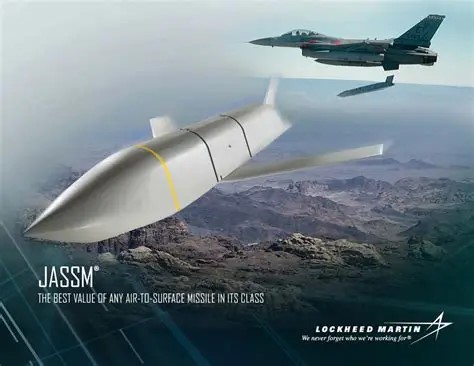
Aircraft are only as effective as the weapons they can employ.
The Air Force’s modernization plans include continued investment in weapons such as JASSM, LRASM, AMRAAM, AIM-9X, and other advanced munitions. The fiscal year 2026 budget materials also included funding for F-35 modernization, B-21 development, F-15EX, F-47, and other future capabilities.
These weapons provide different capabilities ranging from air-to-air combat to long-range precision strike.
The growing emphasis on long-range weapons reflects an increasingly contested operating environment in which aircraft may need to engage targets from significant distances rather than relying exclusively on close-range combat.
Artificial Intelligence and WarMatix
Artificial intelligence is also becoming part of how the Air Force prepares for war.
During a 2026 discussion of Future Force Design, Air Force leaders described WarMatix, an AI-enabled digital wargaming capability designed to help evaluate future platforms against adaptive opposition.
The system is intended to help planners examine how aircraft such as the B-21 and F-47 could perform within a larger force against an adversary capable of changing its behavior.
This is important because modern military technology cannot be evaluated effectively in isolation.
The Air Force wants to understand how aircraft, weapons, sensors, electronic warfare systems, autonomous platforms, and command networks perform together.
Electronic Warfare and Connectivity
Stealth remains important, but Air Force leaders emphasize that future survivability requires more than simply avoiding radar detection.
Modern aircraft must operate in an environment filled with sensors, electronic attacks, communications systems, cyber threats, and increasingly sophisticated adversary networks.
Air Force Future Force Design discussions have emphasized electromagnetic-spectrum operations, advanced sensing, connectivity, and electronic warfare as essential components of future combat power.
For Airmen, that means the modern battlefield is increasingly digital.
The person maintaining an aircraft may be working with systems that are just as dependent upon software and data as traditional mechanical components.
Sentinel and Strategic Deterrence
Modernization also extends to America’s nuclear deterrent.
The LGM-35A Sentinel program is intended to provide the next generation of America’s land-based nuclear deterrent. Air Force Global Strike Command reported in 2026 that the program was being restructured with a renewed emphasis on delivering the future capability.
Sentinel represents another example of how Air Force modernization reaches beyond fighter aircraft.
Strategic deterrence requires missiles, launch facilities, command and control, communications, security forces, maintenance personnel, and highly trained Airmen operating together.
Faster Acquisition
Technology is valuable only if it reaches the warfighter.
In July 2026, Gen. Dale White called for faster acquisition and urged the defense acquisition community to treat acquisition as a warfighting function. His comments reflected a broader Air Force effort to move major programs toward operational relevance more quickly.
Secretary of the Air Force Troy Meink has similarly emphasized the need to leverage disruptive technology faster than competitors and combine speed with disciplined acquisition.
The message is clear: developing technology is not enough. The Air Force wants to field useful capabilities at the speed required by the modern security environment.
Airmen Remain the Technology Advantage
The most advanced fighter, bomber, missile, autonomous aircraft, or computer system is still dependent upon people.
Airmen maintain aircraft, load weapons, analyze intelligence, protect networks, operate command centers, manage logistics, provide security, and keep aircraft flying.
Air Force Chief of Staff Gen. Ken Wilsbach has emphasized that readiness depends on the combined work of pilots, maintainers, weapons personnel, intelligence professionals, defenders, tankers, planners, and command-and-control specialists.
That is the central story behind today’s USAF new technology and weapons.
The Air Force is becoming more technologically sophisticated, but its greatest advantage remains the Airmen who operate, maintain, and integrate those capabilities.
Honor Airmen With Vision Strike Coins

Military history is built around people, missions, units, aircraft, deployments, and achievements. Military challenge coins provide Airmen and veterans with a tangible way to preserve those memories.
Air Force Challenge Coins
Vision Strike Coins offers a dedicated collection of Air Force challenge coins and military collectibles.
Explore Vision Strike Coins Challenge Coins
The collection includes Air Force-themed designs intended to commemorate service, military units, commands, and individual achievements.
The USAF Security Forces Defensor Fortis Challenge Coin is one example, honoring the Air Force Security Forces community and its motto, “Defensor Fortis.”
Shop the USAF Security Forces Challenge Coin
Military Accessories
Vision Strike Coins also carries military accessories including belt buckles, golf ball markers, lapel pins, and other collectibles. These products provide additional ways for Airmen, veterans, and military families to display their service pride.
Military Apparel and Gifts
Military apparel and other commemorative products provide another way to recognize service and military heritage.
From the F-47 and B-21 Raider to Collaborative Combat Aircraft, Sentinel, advanced weapons, artificial intelligence, and electronic warfare, the U.S. Air Force is building a radically different force for the future.
The aircraft will become smarter.
The weapons will become more capable.
Autonomous systems will become more common.
But one thing will remain unchanged: Airmen will be the people who make the mission happen.