
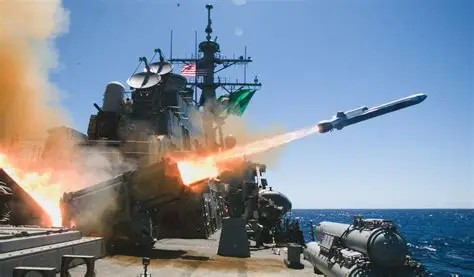
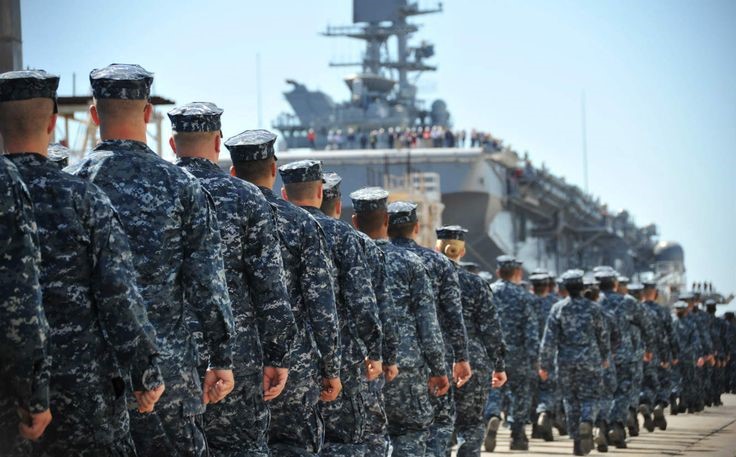
The US Navy future weapons of tomorrow is entering an era of naval warfare in which sailors are increasingly operating alongside unmanned systems, directed-energy weapons, artificial intelligence, advanced radar, electronic warfare technology, and long-range precision weapons. For today’s U.S. Navy sailors, technology is no longer simply something maintained below deck—it is becoming an essential part of how the fleet detects threats, communicates, protects ships, and delivers combat power.
Recent US Navy future weapons of tomorrow demonstrates how quickly these capabilities are moving from laboratories and testing ranges toward operational environments.
Unmanned Systems Transform Naval Operations
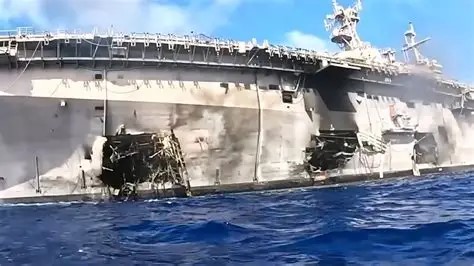
One of the most visible areas of Navy innovation is the rapid expansion of unmanned maritime systems.
During RIMPAC 2026, during the testing of US Navy future weapons partner forces had tested more than 35 autonomous systems in realistic Indo-Pacific naval operations. Rather than evaluating drones in isolated demonstrations, the exercise integrated emerging technology with warships, aircraft, submarines, and multinational forces.
For sailors, this means the future fleet may include manned and unmanned vessels operating together.
Unmanned surface vessels can potentially perform missions such as surveillance, reconnaissance, communications support, and other maritime tasks while allowing sailors to remain farther from danger.
Laser Weapons Move Toward the Fleet
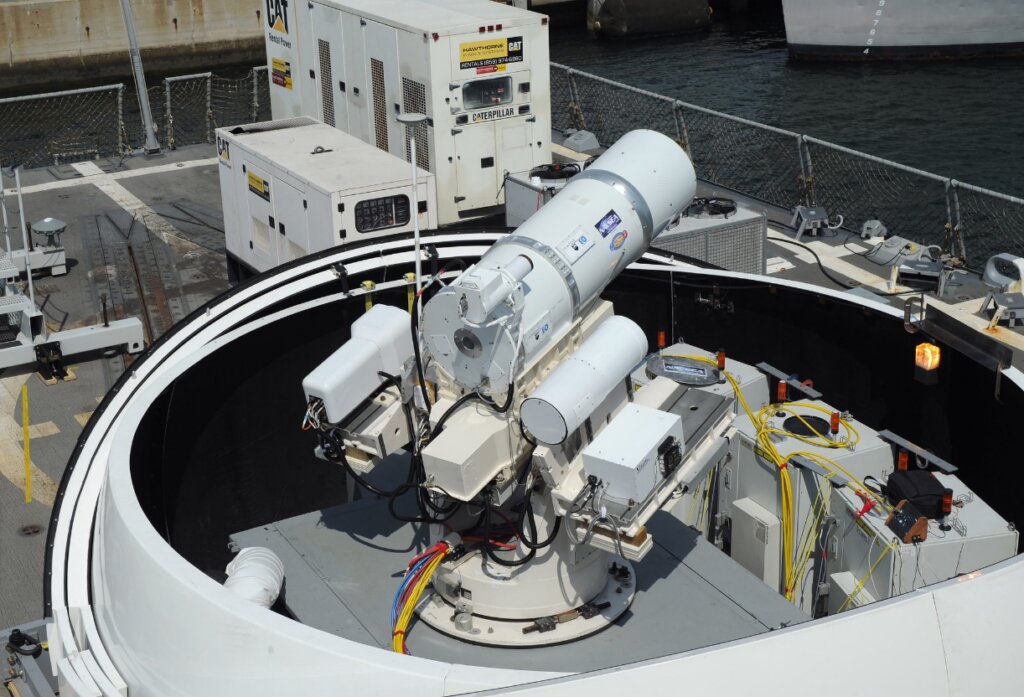
Another major development is directed-energy weapons.
The US Navy future weapons of tomorrow are the Optical Dazzling Interdictor, Navy, or ODIN, is a directed-energy system already installed on several Navy ships. In 2026, the Navy designated the Directed Energy Systems Integration Laboratory at Naval Surface Warfare Center Port Hueneme as the official training location for ODIN. Sailors can receive training in operating and maintaining the system and earn a specialized Laser Weapon System Operator Navy Enlisted Classification.
This is significant because advanced weapons require advanced sailors.
A laser weapon may look futuristic, but it still requires trained operators, technicians, maintainers, engineers, and commanders who understand how to employ it safely and effectively.
US Navy Future Weapons Makes Aegis Smarter
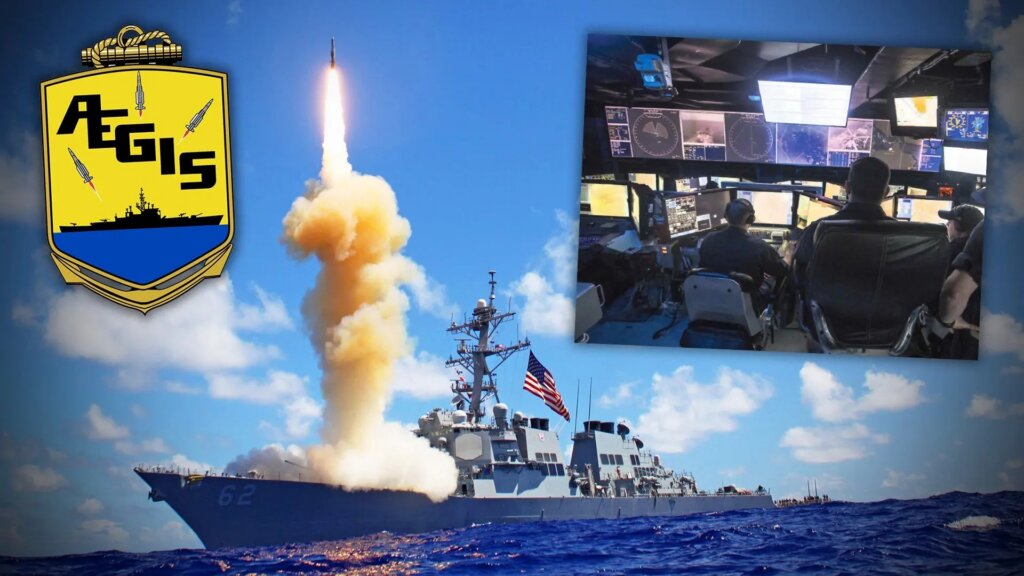
The Aegis Combat System remains one of the Navy’s most important defensive and offensive technologies.
Modernization efforts are incorporating technologies including artificial intelligence and advanced capabilities intended to address increasingly sophisticated threats. The Navy’s Aegis modernization work also supports the integration and testing of increasingly complex combat-system technologies.
With the U.S. Navy future weapons the radar is equally important.
The AN/SPY-6 radar family represents a major advancement in naval detection and tracking capabilities, giving Navy ships increasingly sophisticated sensors for identifying and responding to threats.
For sailors, better radar means better information—and in naval warfare, information can determine who reacts first.
Electromagnetic Warfare Becomes Critical
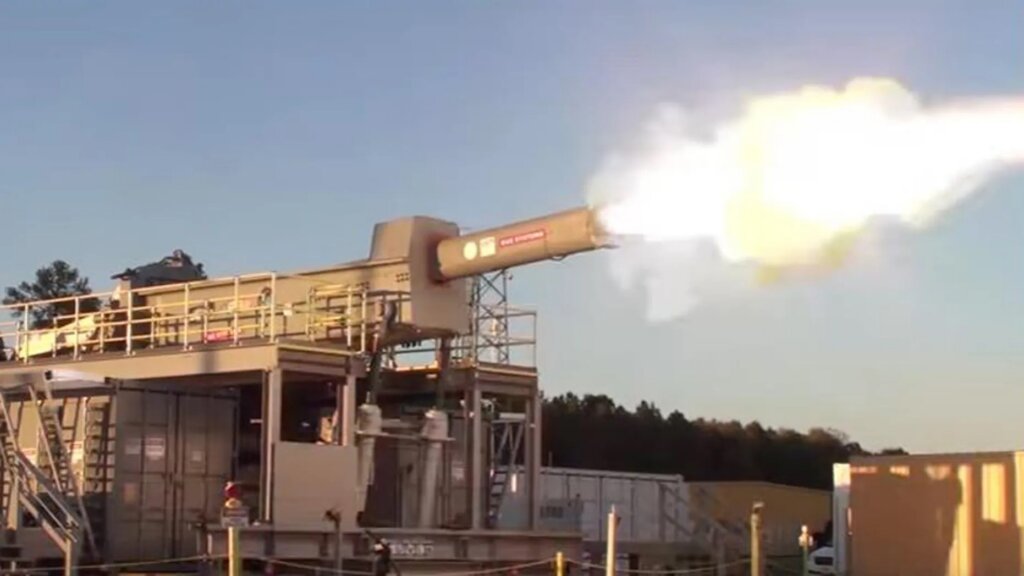
Modern combat does not happen only with missiles and guns.
The electromagnetic spectrum has become a contested battlespace involving communications, radar, electronic attack, electronic protection, and information operations.
Naval Surface Warfare Center Crane continues working on electromagnetic warfare capabilities, including efforts involving sailors and technical specialists who bring operational fleet experience into laboratory development.
This represents an important change in the modern sailor’s skill set.
Today’s U.S. Navy future weapons technicians may need to understand electronics, software, networks, sensors, spectrum management, and sophisticated combat systems in addition to traditional mechanical and electrical systems.
Hypersonic Weapons and Long-Range Fires

In US Navy future weapons technology is being developed for hypersonic weapons and long-range strike capabilities.
The Navy’s Conventional Prompt Strike program is developing a sea-based hypersonic weapon system intended to provide highly responsive long-range strike capability. Program documentation indicates the system has progressed through flight testing and development toward sea-based operational use.
Hypersonic weapons represent a significant technological challenge because they operate at extremely high speeds and require sophisticated guidance, sensing, communications, and launch systems.
For sailors, that means learning to maintain and operate increasingly complex weapons aboard ships and submarines.
3D Printing Comes to the Fleet
Innovation is also changing how sailors maintain equipment.
Naval organizations are expanding additive manufacturing, commonly known as 3D printing, to help produce or repair components more rapidly.
Naval Surface Warfare Center Crane recently opened a Metal Additive Manufacturing Repair Center designed to use advanced manufacturing methods to extend the service life of important naval assets.
This technology could eventually reduce delays caused by traditional manufacturing and supply-chain problems.
A sailor needing a replacement component in a difficult operational environment may increasingly have access to advanced manufacturing capabilities rather than waiting weeks or months for a traditional part.
Training the Sailor of Tomorrow
Technology only matters when sailors know how to use it.
The Navy is therefore placing increasing emphasis on advanced training. Surface Force leadership has highlighted augmented and virtual reality systems that can provide sailors with real-time troubleshooting assistance for complicated shipboard equipment.
This combination of technology and training creates a more technically capable fleet.
The US Navy future weapons of tomorrow will need sailors who can maintain traditional machinery while also understanding autonomous systems, artificial intelligence, cybersecurity, sensors, lasers, robotics, advanced radar, and electronic warfare.
Remembering Navy Technology and Tradition

For sailors and veterans, military collectibles can preserve memories of commands, ships, deployments, achievements, and service.
Vision Strike Coins specializes in military challenge coins, including Navy-themed designs that commemorate the traditions and accomplishments of American service members.
U.S. Navy Challenge Coins
A Navy challenge coin is a meaningful way to recognize naval service, a command assignment, a deployment, a qualification, or an important milestone.
The Navy SEAL Frogman Custom Engraved Challenge Coin from Vision Strike Coins is one example of a Navy-themed collectible that can be personalized with service information such as dates, units, commands, ships, submarines, or accomplishments.
Shop the Navy SEAL Frogman Custom Engraved Challenge Coin
Custom Military Coins
Vision Strike Coins also specializes in custom military challenge coins, allowing units, commands, organizations, veterans, and military communities to preserve specific stories through personalized coin designs.
Explore Custom Military Challenge Coins
Military Apparel and Accessories

Military-themed shirts, accessories, and collectibles provide additional ways for sailors, veterans, families, and supporters to display military pride.
Explore Vision Strike Coins Military Products
The US Navy future weapons will not be defined by technology alone. It will be defined by sailors capable of operating that technology under demanding conditions.
From autonomous vessels and laser weapons to hypersonic missiles, advanced radar, electronic warfare, artificial intelligence, and additive manufacturing, the Navy is building a force designed for a rapidly changing maritime battlespace.
Machines become smarter.
Weapons become faster.
Sensors become more powerful.
Yet the sailor always remains at the mission’s center!