
If you follow US Army news, you have probably noticed that the Army’s relationship with social media is changing. Facebook, Instagram, YouTube, TikTok, X, Reddit, and other platforms have become part of how Americans discover news, watch videos, follow military personalities, and learn about what is happening around the world. Here we will see how the US Army goes social..
For the U.S. Army, that creates a strange balancing act.
The Army needs to communicate quickly and effectively with Soldiers, families, veterans, potential recruits, and the public. At the same time, every photograph, video, comment, location tag, and viral post can create security, privacy, or misinformation problems.
In 2026, Army social media is becoming less about simply posting pictures and more about managing an increasingly complicated information environment.
Social Media Is Where the Audience Is
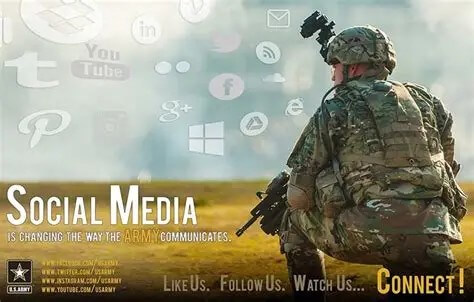
The numbers explain why the Army cannot simply ignore social media. As the US Army goes social, everyday, almost every hour.
Pew Research Center’s 2025 survey of 5,022 U.S. adults found that 84% had used YouTube, 71% had used Facebook, 50% had used Instagram, and 37% had used TikTok. Among adults ages 18–29, usage was particularly high for Instagram and TikTok, with 80% reporting Instagram use and 63% reporting TikTok use.
Social media is also increasingly a news source.
Pew reported that 38% of U.S. adults regularly get news from Facebook and 35% from YouTube. Twenty percent regularly get news from Instagram and another 20% from TikTok. Among TikTok users specifically, 55% said they regularly get news there.
For the Army, that means the first place somebody sees an Army story may not be an Army website.
It might be a 30-second video.
It might be a photograph.
It might be a veteran sharing an experience.
Or it might be somebody else’s version of the story.
The Army Is Cleaning Up Its Digital Footprint
One of the biggest recent developments in US Army social media news is Army Directive 2026-17, titled “Optimizing Digital Media.”
The Army says the directive streamlines its official social-media presence. Only organizations identified in the directive are authorized to maintain official Army social-media accounts, and approved accounts must have appropriate public-affairs personnel involved. The Army has also told organizations that accounts outside the authorized structure must be archived and closed.
Fort Detrick provides a real-world example.
In August 2026, the installation announced that it was deactivating and archiving its official Facebook, X, and YouTube accounts as part of the Army-wide effort to consolidate its digital presence. Army officials said the objective was to create a more focused network, reduce operational risk, and provide a clearer voice for Soldiers, families, and the public.
That could mean fewer official Army accounts—but potentially more emphasis on the accounts that remain.
Short Videos Change the Game
Traditional military public affairs often meant press releases, photographs, newspaper articles, television interviews, and official websites.
Now a Soldier can record a short video and reach an enormous audience almost instantly.
That can be useful.
A training demonstration, humanitarian mission, equipment explanation, recruiting video, historical story, or Soldier profile can make the Army easier for civilians to understand.
But social media rewards speed and attention.
The Army’s own social-media guidance acknowledges that social media is powerful but inherently risky because posts can create communication errors, audience misinterpretation, and unintended consequences.
That means the Army has to operate in a world where the fastest post is not necessarily the most accurate post.
OPSEC Meets the Viral Video
As the US Army goes social, here’s where things get serious.
A photograph that looks completely harmless to a civilian can sometimes reveal information about military operations.
The Army’s social-media safety guidance specifically warns Soldiers and families about exposing troop locations, equipment, unit details, deployment information, personnel information, and other sensitive material. The Army advises users to consider geotagging and warns that small pieces of information can be combined to create a larger picture.
Think about a simple vacation photograph.
A Soldier posts a picture.
The photograph shows a vehicle.
Background identifies a location.
Timestamp establishes when the photograph was taken.
Another family member posts a second photograph.
Someone else mentions the unit.
Individually, those details may appear meaningless.
Yet together, they can potentially reveal far more than intended.
That is why Army OPSEC and social media will remain tightly connected.
AI Makes the Information Problem Bigger
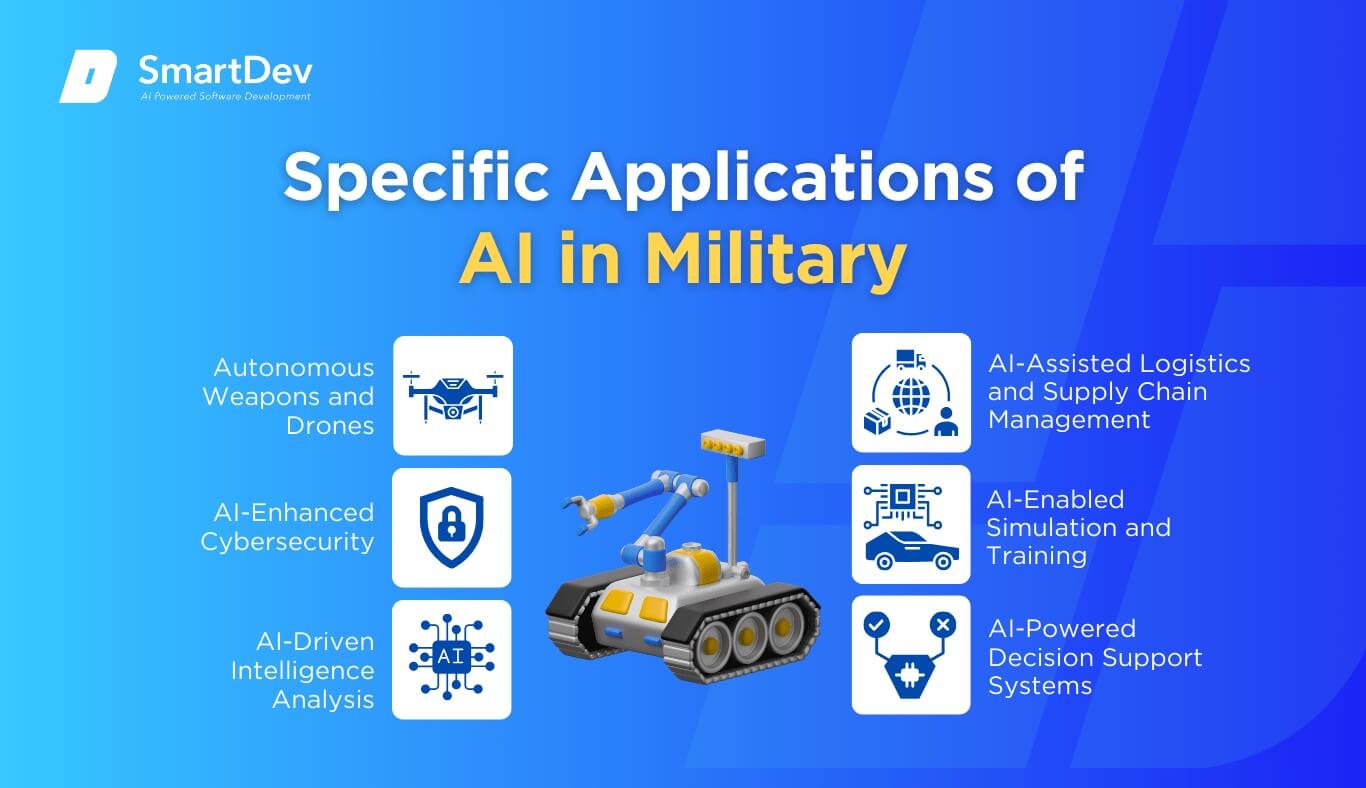
Artificial intelligence adds another wrinkle.
The Army Reserve’s Iron Forge exercise in June 2026 specifically tested Public Affairs Soldiers against AI-generated scenarios and a simulated online information environment. The exercise was designed to help public-affairs personnel respond to rapidly moving information while supporting commanders through communication, media engagement, and information analysis.
AI can help create legitimate Army content, analyze information, and accelerate communication.
It can also make fake photographs, videos, audio, and written material easier to produce.
That means tomorrow’s Soldier may have to ask a new question:
Is this actually real?
For Army public affairs, verifying information before amplifying it becomes increasingly important.
Social Media Can Still Tell the Army’s Story
Despite the risks, the Army’s own guidance makes clear that social media remains valuable.
The Army encourages Soldiers and families to use social media to stay connected and tell the Army’s story. Personal accounts can share official information as long as the sharing does not imply official DoD endorsement.
That opens the door for something traditional military public affairs cannot always accomplish by itself: authentic personal storytelling.
A Soldier explaining a MOS.
Family describing life at a military installation.
Veteran talking about an old unit.
Retired Soldier showing a piece of military history.
Those stories can create connections that a formal press release simply cannot reproduce.
Digital Memories Become Physical Memories
There is also an interesting connection between today’s digital Army and one of the oldest military traditions: collecting physical reminders of service.
A social-media post can disappear into an endless feed.
A US Army challenge coin can sit on a desk for decades.
A coin can represent a unit, MOS, deployment, promotion, retirement, qualification, or memorable chapter of military service.
Vision Strike Coins currently offers Army-focused military challenge coins, including the Army Combat Medic 68 Whiskey challenge coin, which represents the 68W Combat Medic military occupational specialty.
The company’s broader military challenge coin collection also includes Army, veteran, specialty, historical, and commemorative designs.
For Soldiers, veterans, units, and organizations wanting something more personal, custom Army challenge coins can preserve specific names, dates, unit identities, deployments, and accomplishments. Vision Strike Coins also offers custom engraved challenge coins designed around personal military history.
From the Smartphone to the Shadow Box

Social media may be the newest way Soldiers tell their stories, but the basic idea is nothing new.
For generations, Soldiers have saved photographs, patches, medals, letters, uniforms, unit memorabilia, and military challenge coins. As the US Army goes social, so does the way they chose to keep these memories alive.
Today, a Soldier might have thousands of photographs stored on a phone alongside a collection of Army challenge coins on a desk.
One is digital.
One is physical.
Both preserve memories.
For additional Army apparel, military challenge coins, shirts, and military gifts, readers can also visit Military Outfitters. Its Army collection includes Army challenge coins and custom military shirts.
For Marine Corps readers, Devil Dog Shirts offers Marine Corps shirts, hoodies, challenge coins, and other USMC merchandise.
The Army’s Digital Future
The future of US Army social media probably won’t be about choosing between traditional communication and social media.
As the US Army goes social, it will be about combining them.
Official Army channels will continue providing verified information. Soldiers and families will continue telling personal stories. Public Affairs professionals will have to deal with increasingly sophisticated AI-generated content. And OPSEC will remain critical whenever military information enters the public internet.
The Army’s current digital-media policy shows that the service is already adjusting its approach.
The battlefield may be physical, digital, or both.
And increasingly, the Army has to communicate in all of them.
The technology changes. The mission continues.